Research Theme 1: Nucleic acid delivery and pathological innate immune activation
The innate immune system detects infection and tissue damage through nucleic acid sensing pathways. Extracellular nucleic acids released during infection or cell injury—including microbial DNA, mitochondrial DNA, genomic DNA, and NETs—can form complexes with cationic host factors such as chemokines and antimicrobial peptides. These interactions promote the formation of nucleic acid nanoparticles that facilitate cellular uptake through clathrin-dependent endocytosis.
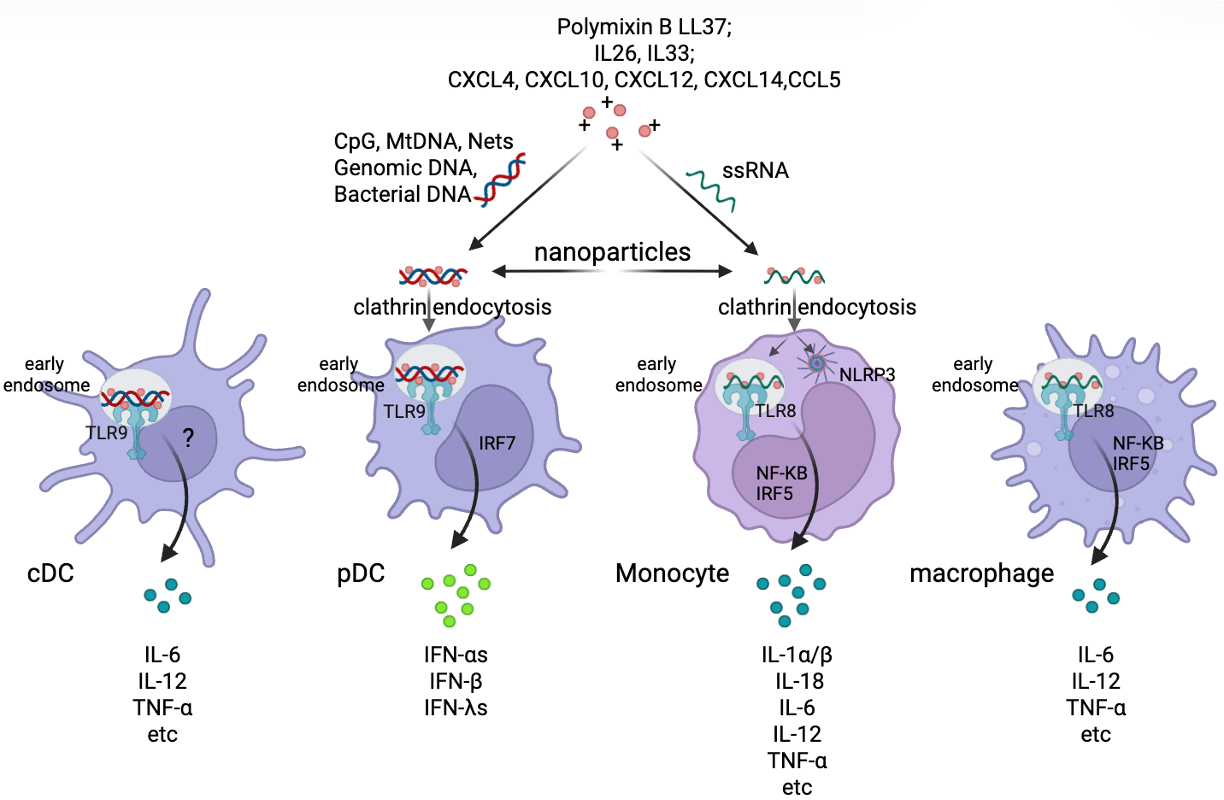
Once internalized, nucleic acids activate endosomal receptors such as TLR7, TLR8, and TLR9 in different innate immune cells, including plasmacytoid dendritic cells, monocytes, and macrophages. While these pathways are essential for antimicrobial defense, excessive nucleic acid uptake can drive pathological inflammation and interferon responses in autoimmune and inflammatory diseases.
Our research aims to understand the mechanisms that regulate nucleic acid uptake and to develop strategies that selectively suppress pathogenic inflammation while preserving protective immune responses.
Research Theme 2:Genetic and regulatory mechanisms controlling type I interferon responses
Type I interferon (IFN-I) production is tightly regulated by nucleic acid–sensing pathways. Endosomal receptors such as TLR7 and TLR9 detect RNA and DNA in immune cells and signal through the MyD88–IRAK–TRAF cascade to activate IRF7, which drives the transcription of IFN-α and IFN-β.
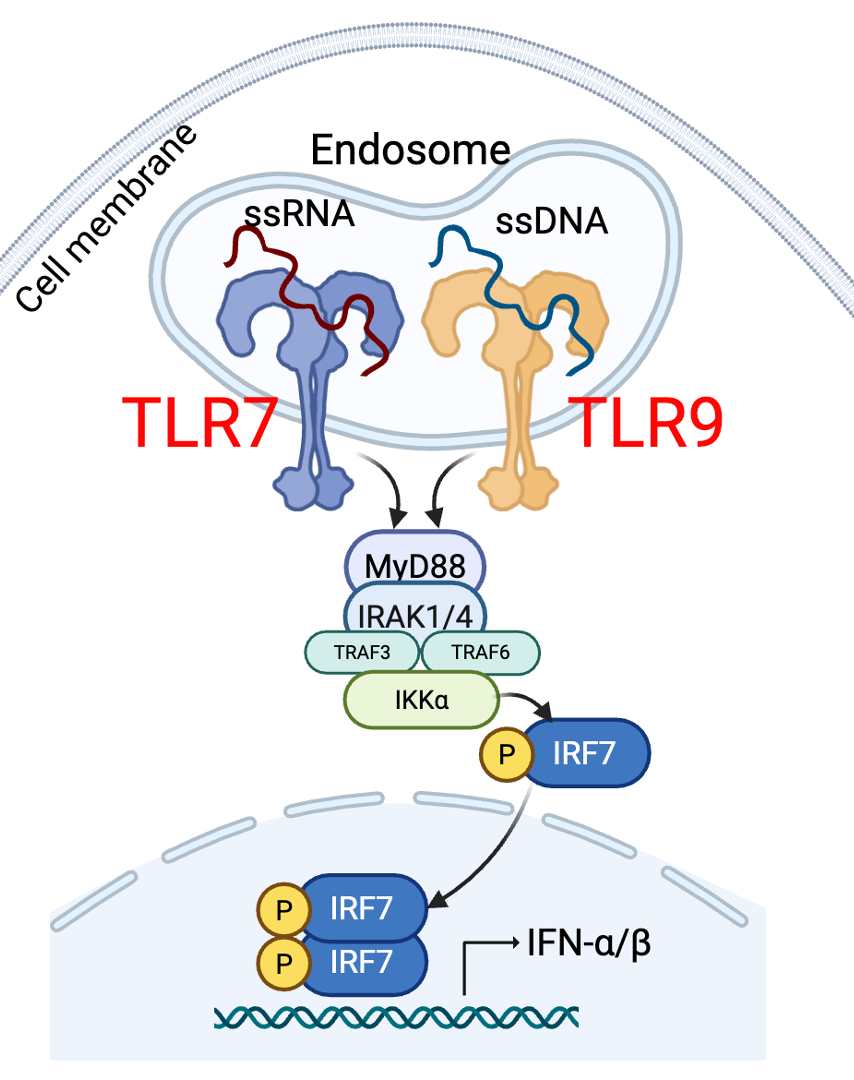
Genetic and regulatory variations in these pathways can disrupt interferon control and lead to excessive IFN-I production in autoimmune diseases. Our research aims to identify how genetic variation, epigenetic regulation, and cell-type–specific signaling reshape nucleic acid sensing pathways and interferon responses in human disease.
By integrating patient genetics, functional genomics, single-cell RNA sequencing, and immune cell biology, we seek to understand how dysregulated interferon signaling contributes to autoimmune pathology and to identify opportunities for precision immunomodulation.
Research Theme 3: Targeting nucleic acid–driven inflammation for cancer immunotherapy
IFN-I signaling plays a central role in shaping anti-tumor immunity. Controlled IFN-I responses enhance antigen presentation, dendritic cell activation, and cytotoxic T cell priming, thereby promoting effective anti-tumor immune responses. However, dysregulated or insufficient interferon signaling can impair immune activation and limit the efficacy of cancer immunotherapy.
Within the tumor microenvironment, immune responses are determined by the balance between immunosuppressive and immunostimulatory cell populations. Immunosuppressive cells such as neutrophils, monocytes/macrophages, and regulatory T cells can dampen anti-tumor immunity, whereas cytotoxic T cells, NK cells, dendritic cells, and pro-inflammatory macrophages promote tumor clearance. IFN-I signaling is a key regulator that shapes this balance by influencing immune cell activation, recruitment, and functional polarization.
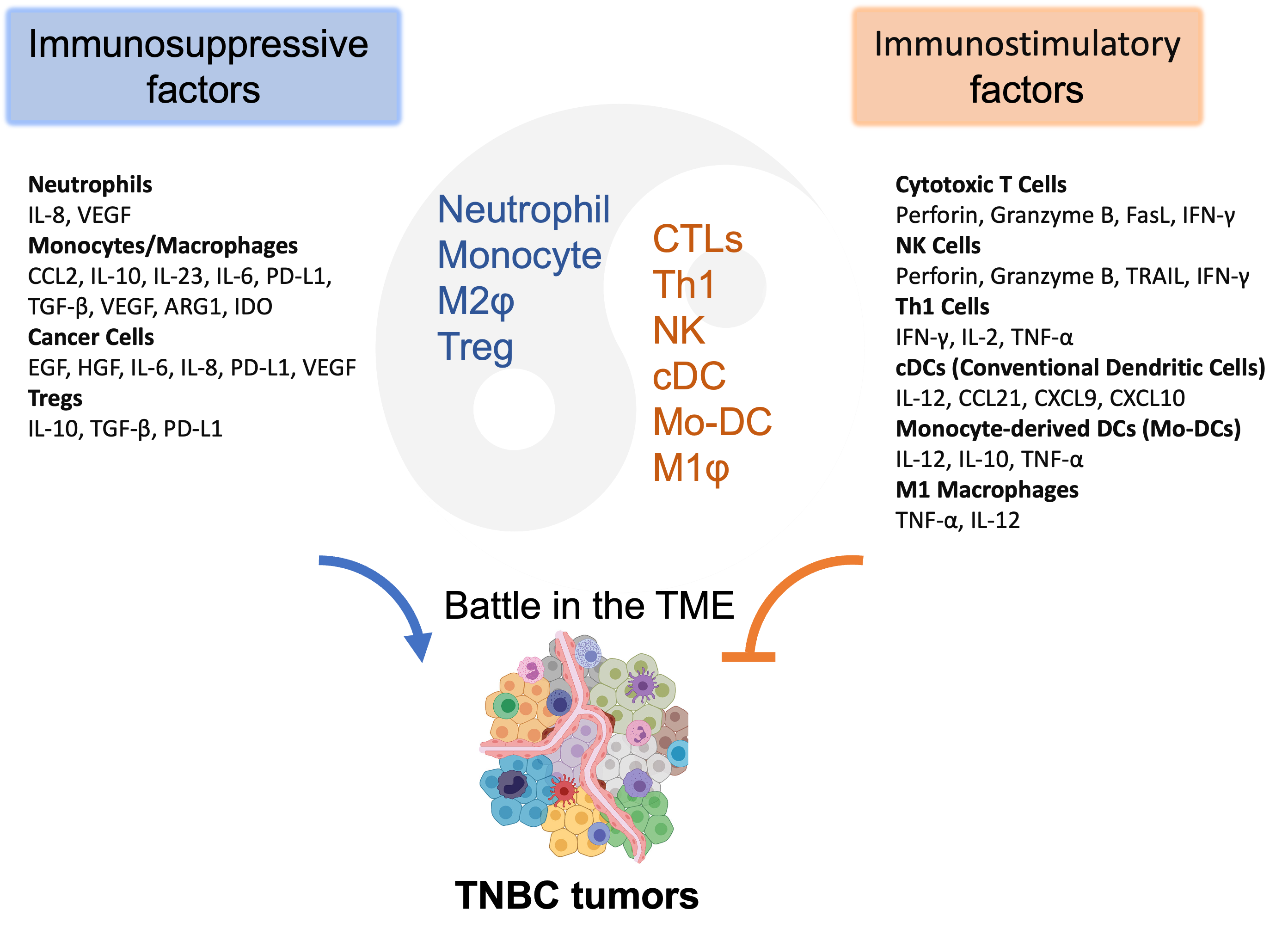
Our research aims to translate mechanistic insights from innate immune sensing into therapeutic strategies that modulate interferon-driven inflammation. By targeting pathways that regulate nucleic acid sensing and IFN-I production, we seek to enhance anti-tumor immune responses and improve the efficacy of cancer immunotherapies.
Through the integration of molecular immunology, functional genomics, and tumor models, our goal is to develop new approaches that harness innate immune signaling to sensitize tumors to immunotherapy.